What Bluey Gets Right About Child Development
By Emma Zande
Fall 2025 Intern
Pop quiz: What was the most-streamed show of 2024 and the first half of 2025? You may have said Bridgerton, The Bear, or literally anything with a high production budget, but if you’ve met anyone under eight in the past couple of years, you’re already in on the secret: Bluey runs the world. That’s right, the real heavyweight is a seven-minute cartoon about a blue heeler pup and her exhausted parents. If you’ve spent any time around little ones in the past few years, you’ve probably heard about Bluey—loudly, enthusiastically, and often.
For the uninitiated, Bluey is an Australian animated series about a six-year-old blue heeler puppy, named Bluey, and her family, who live in Brisbane. The show focuses on the imaginative play and everyday adventures of Bluey, her younger sister Bingo, and their parents, Bandit and Chilli. The show explores themes of family, friendship, and childhood development. Kids adore it, parents enjoy it, and even dogs love Bluey, since they can see the contrasting colors! Educators can also find a gold mine of strategies and inspiration for their classrooms from the show.
It turns out that tucked between the giggles, magic xylophones, and weekend family chaos are some surprisingly effective classroom management strategies. Bandit and Chilli may not run a classroom, but they do model something educators know deep down: kids learn best when they feel seen, supported, and safe. Here’s what Bluey gets right, and how it can translate into the classroom.
Relationships Before Rules
One of the most distinctive aspects of Bluey is how the adults join in with their children’s worlds. Rather than forcing Bluey and Bingo to look at the world in the same way they do, their parents hop into their imaginative worlds enthusiastically, even when it means pretending to be a robot, a statue, or even a backpack. Their father, Bandit, seems to know an important rule of early childhood development: Participating in their games isn’t just a fun and often silly activity—it’s imperative to show kids that you’re on their team before you ask them to listen to your rules.
Play is an invaluable tool for building essential life skills like critical thinking, problem-solving, and executive functioning skills. Play and imagination help to improve students’ academic performance by creating a more engaging and meaningful approach to learning. It also increases social-emotional learning (SEL) by fostering cooperation, empathy, and communication. Play-based activities that allow students to discover commonalities and establish group norms help them to create a welcoming and supportive classroom community, enhancing their sense of belonging.
“Yes, and . . .”
Imaginative chaos is practically its own character on Bluey, but despite the hectic environment, we rarely see Bandit and Chilli shut down the kids’ plans. Instead, we see them use redirection to reframe their thinking—instead of saying “no,” they say “yes, and let’s try it this way.” This small bit of improvisational magic keeps the play moving forward without potentially dangerous or harmful situations unfolding.
Assuming responsibility for the safety and well-being of young people can place a lot of pressure on educators’ shoulders and can often lead them to veer on the side of caution by saying no to students’ requests—especially when these requests may lead to a potentially dangerous or negative consequence. However, educators are beginning to realize the benefits of adopting a yes mindset. Saying yes gives young people the opportunity to explore, learn, and at times, fail, which is important to developing a growth mindset. When teachers actively listen to students and endeavor to meet them where they are, students learn that their thoughts and ideas matter, and that adults respect them enough to consider their requests. Reframing dismissals as redirections can also help students build creative thinking and resilience, encouraging them to move outside of their comfort zones more often.
Gentle Structure
The Blue Heeler household definitely has expectations. They have chores, boundaries, and bedtimes. However, Bluey’s parents excel in delivering these expectations with humor, warmth, and consistency: it’s a gentle structure, and it’s also incredibly significant when it comes to classroom management.
Educators ask their students to take a step into the unknown every day. By asking them to learn, they are asking them to be uncomfortable. So, for students to embrace the discomfort of learning new things and taking on new challenges, they must feel safe and calm in the classroom. This means feeling that they belong, and that an educator will always be there to support them. Educators must provide a clear pathway for the expected behaviors of their classroom, and students need to see that these behaviors are effective for themselves and their peers. When expectations for students are clear, predictable, kind, and are actually followed through, students are able to feel safe rather than controlled. Routines and procedures are the foundation on which educators can build productive learning.
Modeling Emotional Regulation
One of the most realistic aspects of Bluey is that the adults aren’t flawless. Like all parents and educators, they mess up. And because they’re not perfect, we also get to see what healthy emotional regulation looks like. They apologize, they narrate their own feelings, and they breathe through tense moments instead of snapping.
Bluey makes it clear: kids don’t need perfect adults. They need adults who show them what emotional regulation and emotional repair look like. Emotions are normal, and what matters most is how we choose to navigate them. By modeling emotional regulation, educators can help to manage their own stress while also helping to foster students’ resilience, empathy, and self-awareness.
Here are some ways to emulate the adults from Bluey:
- Using clear, expressive language makes emotions relatable. An educator might say “I’m frustrated because my marker stopped working, but I’ll take a deep breath and grab another one.”
- Using coping strategies helps students understand how to manage their own emotional responses. Taking a deep breath or a pause together, or even reframing challenges, can help students learn how to adopt these skills into their own day-to-day lives.
- Modeling positive self-talk and replacing negative or defeatist language can help students learn to reframe their problems and failures into learning and growth opportunities.
- Creating a culture of emotional safety helps encourage students to express their emotions and practice regulation strategies.
What Bluey Doesn’t Show
Of course, Bluey is still a TV show. Kids don’t always respond instantly. Classrooms have twenty to thirty students with very different needs. Educators are managing time, curriculum, paperwork, behavior plans, and forty-seven other items before lunch. But the show isn’t offering techniques; it’s offering a philosophy: Embrace empathy. Create predictability. Be emotionally present. Project joy.
Great classroom management isn’t about control; it’s about connection. It’s about helping kids feel safe enough to learn, brave enough to try, and comfortable enough to be themselves. Bluey reminds us that when adults approach children with warmth, curiosity, and a willingness to enter their world, everything gets a little easier. And honestly? If Bandit can survive episodes like “Grannies,” “Shadowlands,” and everything that Bingo dreams up, we can survive Monday mornings.
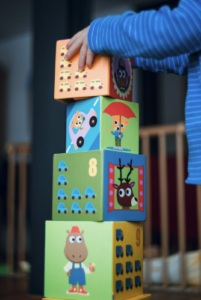
Photo by Markus Spiske on Unsplash